A State “Outpaced” by Gambling Syndicates: Calls for a Revolution in Tackling Online Gambling or Indonesia Faces Social Collapse

JAKARTA — The impact of online gambling (“Judol”) in Indonesia today leads to a hard-hitting conclusion: current efforts to eradicate Judol are deemed to be failing, fragmented, and slow, while the economic and mental harm to the public continues to spread unchecked.
PERMIKOMNAS highlights that the so-called “crackdown” repeatedly promoted by the government has not addressed the root causes. Judol is no longer merely a public order issue; it has become a serious threat to economic sovereignty and public health.
An Economic and Mental Time Bomb
Based on analysis of field realities and global academic references, PERMIKOMNAS finds that Judol actively creates a new cycle of poverty. Transactions occur second by second without effective control, draining household income, triggering mounting debt, and destroying the purchasing power of low-income communities.
Psychologically, the damage is deeply destructive. Citing WHO standards and various scientific journals, this activity increases the risk of severe depression, domestic conflict (including domestic violence), and suicide. Yet the state is considered negligent in providing recovery infrastructure for victims of this addiction.
Strong Criticism: Regulations Exist, Enforcement Is Weak
Although Indonesia has a strong criminal law foundation (Criminal Code Articles 303 and 303 bis) as well as digital regulations (the ITE Law and the PSTE Government Regulation), PERMIKOMNAS’s in-depth review strongly criticizes the implementation as sectoral, uncoordinated, and lacking real force.
“Fragmented law enforcement allows Judol operators to adapt easily and keep growing. Worse still, potential involvement of rogue officials who ‘look the other way,’ as well as cross-border money-laundering flows, has undermined public trust in law enforcement institutions,” said Fadli, Chairman of PERMIKOMNAS.
Urgent Demands: Stop the Rhetoric, Start Enforcement
Based on empirical and legal evidence, PERMIKOMNAS urges the Government to stop partial measures and immediately execute five concrete steps:
-
Establish an Integrated National Task Force with a ‘Impoverish the Kingpins’ Mandate: A unified command involving Komdigi, the National Police, PPATK, OJK, and the Ministry of Health must act in one direction. The main focus should not be limited to blocking sites, but also asset seizure, shutting down payment channels, and digital tracing of both local and offshore operators.
-
Forensic Audits of Officials and Institutional Cleanup: Conduct internal audits and criminal investigations into any civil servants or law enforcement personnel proven to facilitate or protect Judol operations. Transparency of results is essential to restore public trust.
-
Cut Off the Money Flow (Follow the Money): OJK and the banking sector must implement merchant blacklists and terminate gambling-related platform monetization in real time. Accelerate the use of anti-fraud tools to detect suspicious transactions.
-
Total Ban on Gambling Advertising on Digital Platforms: Demand that global and local platforms eliminate gambling affiliate marketing that is now aggressively targeting children and teenagers through social media.
-
A Public Health Approach (Rehabilitation): Recognize Judol as an addiction disorder. The Government must provide screening services at community health centers (Puskesmas) and online counseling for victims—rather than merely criminalizing small players while major operators walk free.
The state must not be defeated by the bookmakers’ algorithms. Failure to tackle Judol today will impose long-term social and economic costs far greater than the value of the illegal transactions themselves.
Related News
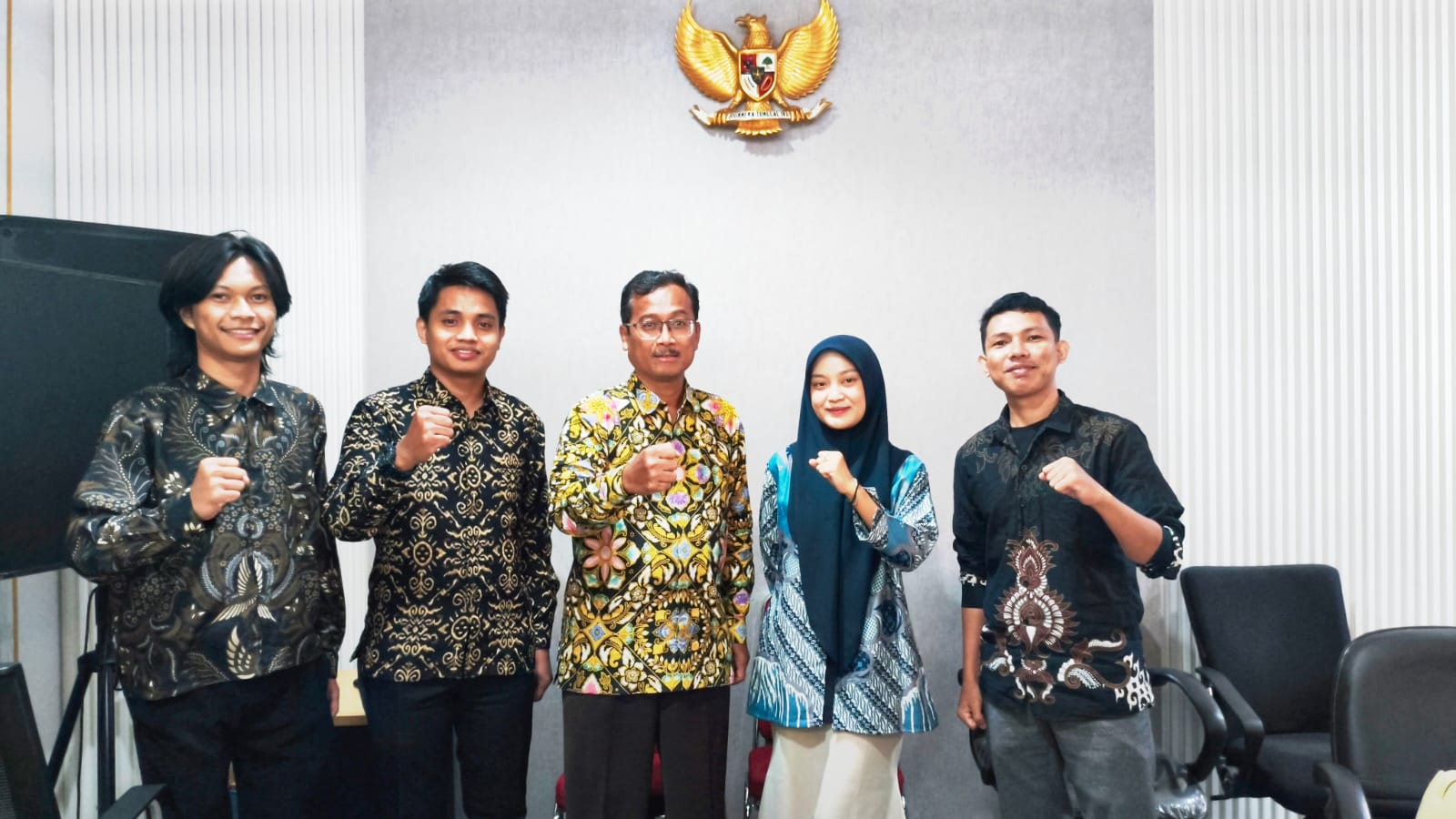
Audience of PERMIKOMNAS RI with the Deputy for Youth Empowerment of the Ministry of Youth and Sports of the Republic of Indonesia
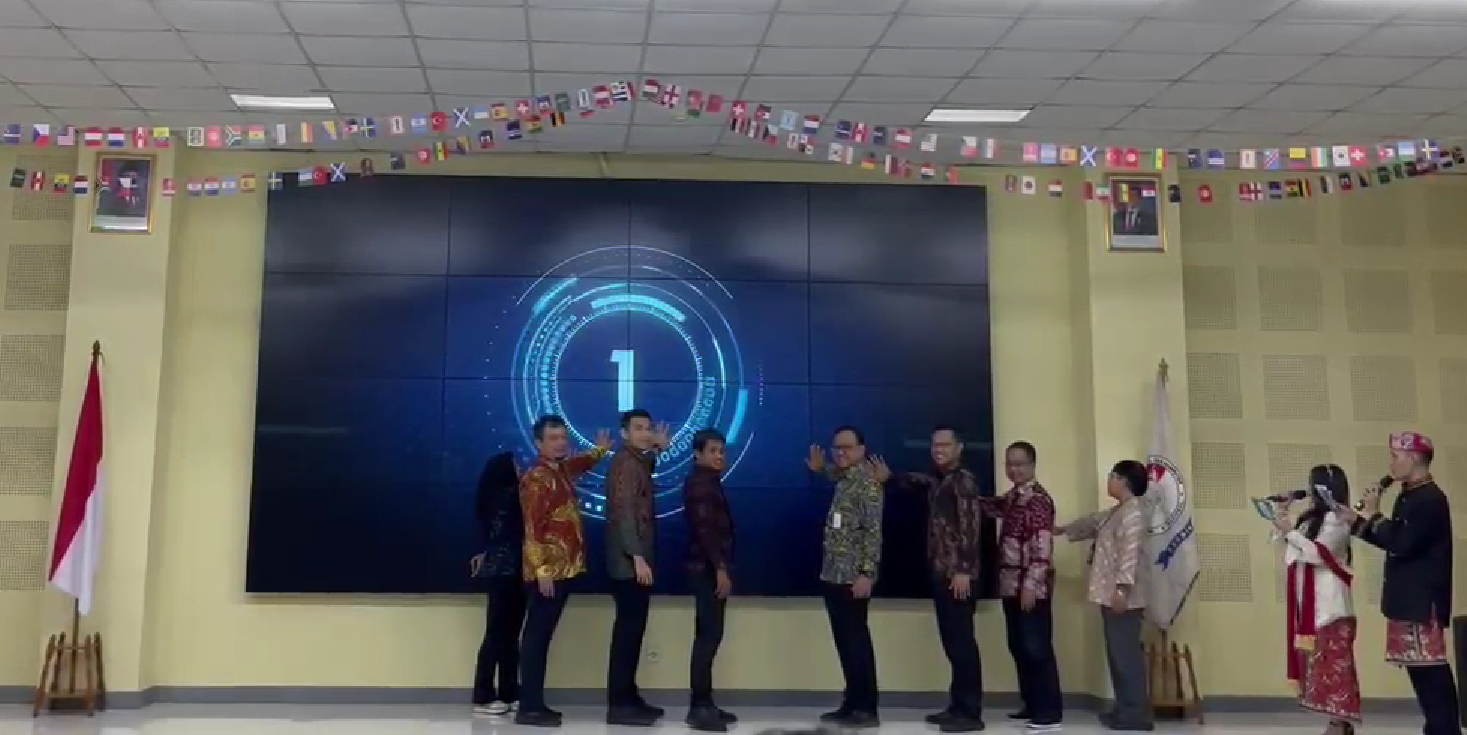
PERMIKOMNAS Republic of Indonesia Successfully Held the National Gathering and Permitech Expo Under the Theme "Accelerating Digital Talents Towards Golden Indonesia 2045"